
Gen Z – The Lonely Generation

Gen Z – The Lonely Generation

Our teenagers (Generation Z) are the most connected generation, but they are also the loneliest. Seems contradictory, doesn’t it?

As a Millennial, my early teenage years were defined by wired phone calls, brick cell phones, and dial-up internet. I was a teenager when the iPhone first came on the scene and had my first phone with internet my Freshman year of college. I got Facebook in High School. Instagram gained popularity a few years later. Basically, technology and social media was rapidly changing, but I didn’t have to carry it around with me 24/7 like our current teenagers.

Today’s teens are even more connected than ever with Google, Instagram, Snapchat, FaceTime, TikTok, and messages at their fingertips. But let’s take a look at what it means for our teens who are growing up in a world that never turns off…

In Michele Borba’s book Thrivers, she states the following:
“Welcome to the “running on empty” generation…They are more inclusive and open-minded…They’re well educated with high aspirations for college and their future. But they’re also less happy and more stressed, lonely, depressed, and suicidal when compared with any previous generation – and those descriptions were identified prior to COVID-19 and all the resulting anxiety it produced.”

That is not a fun statement to read, and we are going to break down some more characteristics of Gen Z in Episode 43 of the Teen Life Podcast. Be sure to subscribe in your favorite podcast app or sign up to receive notifications so you won’t miss it! For now, let me give a couple of suggestions for how we can combat the loneliness of this generation.

Listen to understand.

One student in Thrivers said, “We hide our anxiety…It doesn’t work telling our parents because they don’t understand what it’s like to be a kid.” I know that it is easy to compare our teenage experiences with what teens are currently going through, but it isn’t the same. They are living in a world that is completely different from the one you grew up in.

Instead of minimizing their experiences, use this as a chance to listen and ask good questions! Be curious. Resist the urge to give advice if all they are looking for is an empathetic ear.

Model imperfection and boundaries.

A piece of nearly every day is posted online now, and our teens feel the pressure to be “picture-perfect” at all times. The “comparison game” is not a new problem, but now our teens are comparing their worst to the highlight reel of others. Pictures are filtered and feeds are full of celebrities and influencers.

This might seem silly, but make sure that teens know that they are valuable just as they are. They don’t need to filter or fake their life to enjoy it. Pictures and videos do a great job of capturing moments, but make sure you put your phone away sometimes to be fully in the moment! On the other hand, take the picture even if you don’t look your best. Model healthy boundaries and self-esteem with how you interact with social media.

Set aside time to connect.

What combats loneliness better than human connection? Life can get busy but scheduling regular time to connect with your teen can make a huge difference! In a recent podcast episode with my dad, Chris Hatchett, we talked about how he has intentionally made time for me from a young age. The main way he did that while I was in High School was to take me to lunch every week (every teen loves free food!).

Here are some other ways to be intentional with your connection:

• Talk in the car to or from school
• Grab breakfast before school
• Stop by a coffee shop on the weekends
• Do something special on their birthday – bring lunch to school or take them out
• Ride home together from games
• Schedule a meal together weekly or monthly
• Go shopping to find a new outfit
• Do a hobby together – golf, reading, building something, concert, movies, etc.

Teenagers will benefit from your wisdom and advice, but they will thrive when they feel connected and accepted by you! Let’s change the narrative for this generation and bring more connection than loneliness.

Karlie Duke
Karlie Duke

Communications Director

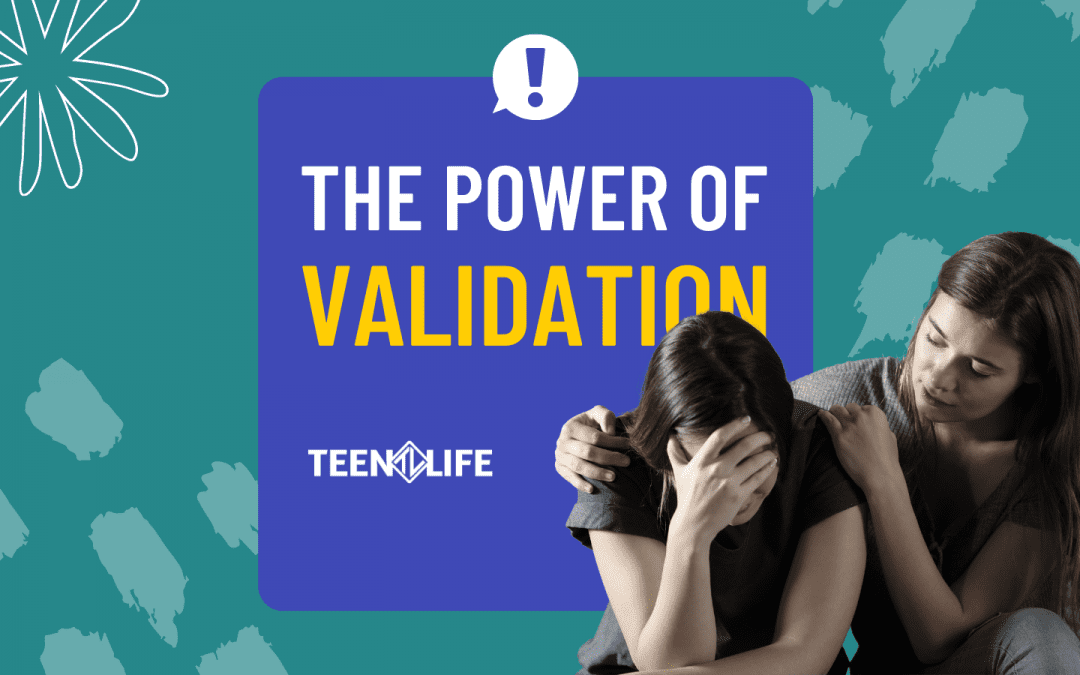
The Power of Validation

The Power of Validation

Validating your teen’s emotions doesn’t mean you agree with their behavior.

But it can open the door to talking about it!

Do you ever get defensive in a conversation with your spouse or loved one because they just aren’t validating your feelings? Why can’t they simply acknowledge the frustration you’re feeling before swooping in to fix everything?

No? Is it just me?

If I am upset and someone tells me to “stop acting that way” and move on…those are fighting words! I think most of us can think of a time when a situation could have been made better by just having someone empathize and make space for what we are feeling.

So why do we not extend this same principle to teenagers and kids?

Take my 4-year-old for example. He is smarter and more capable than I often give him credit for. But he also has a wide range of emotions and regularly has trouble managing them in appropriate ways (sound like any teenagers you know?). As a parent, it is easy to ask him to be quiet, or stop crying, or quit yelling, or calm down. But what he really needs in that moment is for me to first validate his feelings.

In my house, it could look something like this:

Toddler: *crying because he has to go to bed*
Me: You are upset because you don’t want to stop playing. I understand how that would make you sad. But we have to go to bed so that we can have the energy to play tomorrow! What is the first thing you want to play with when we wake up in the morning?

After the situation has been diffused and he has calmed down, it is much easier to ask the question, “What is a better way for us to act next time we are upset?” I don’t know about you, but positive conversations rarely happen when we are in the heat of the moment. Your kids, teenagers, or spouse is probably not in the mood to be reasoned with if they don’t first feel heard and understood.

Here are a few reasons validation is so important:

It models healthy ways to talk about emotions. You can name their emotion and give them the chance to agree or name a different emotion. Verbalizing feelings is a skill that will benefit them far after they leave your house or classroom.

It reiterates that feelings are not a negative thing. We don’t want teenagers to feel like they are ever being punished for their feelings. Emotions aren’t negative! Often this negative connotation is put on our young men, but every gender and age deals with different emotions every day. We are not trying to correct emotions, but we can accept feelings and then work on better ways to react to them.

It builds self-confidence and trust. When you acknowledge feelings, you are communicating with your teenager that you are trustworthy. You see them and love them as they are – feelings and all! When they can put voice to their feelings, it will also build confidence. They know what is going on in their own mind and can work on tools that will help them express feelings in a way that is both truthful and empowering. When they control their reaction to feelings instead of letting emotions control them, it is a powerful thing!


This is a practice that I am still working on. I am not always perfect at this, but when I take the time to validate feelings first, I have found that some arguments are avoided and tantrums are shorter.

Validating feelings is not a miraculous trick. It won’t stop all disagreements or emotional outbursts. However, I do hope that it will lead to better understanding. I hope it will build trust between yourself and the teen (or child, or adult) that you love. I hope it will help you start positive conversations around emotions so that everyone involved can grow.

Karlie Duke
Karlie Duke

Communications Director

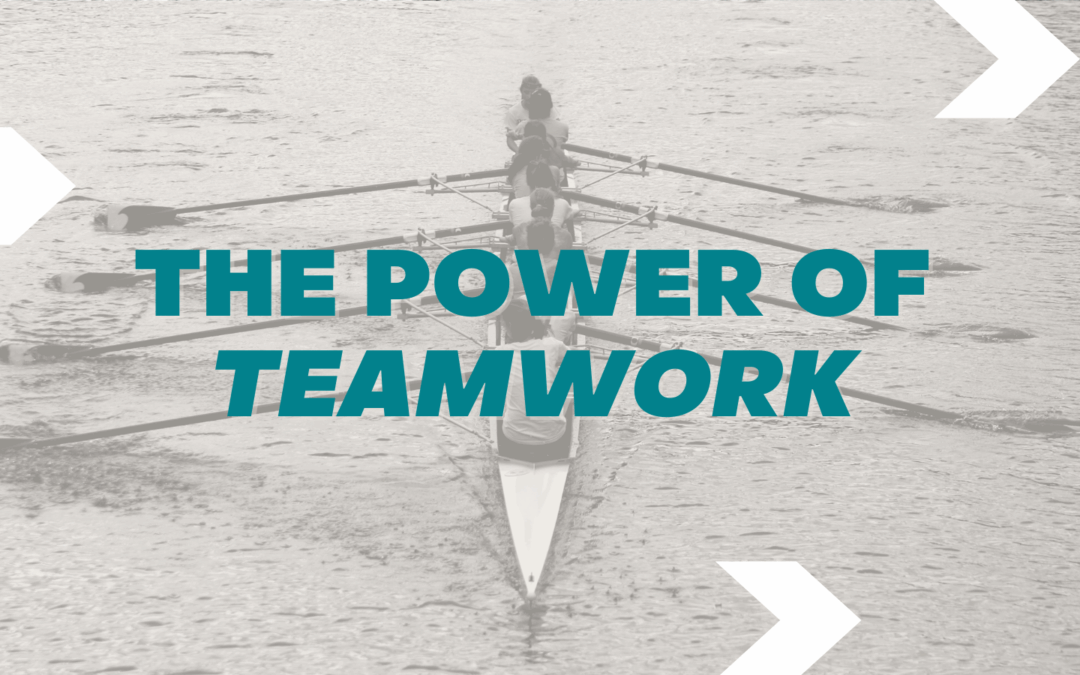
The Power of Teamwork

The Power of Teamwork

Teamwork: cooperative or coordinated effort on the part of a group of persons acting together as a team or in the interests of a common cause.

As the wife of a High School Basketball Coach, I spend A LOT of my time thinking about and cheering on good teamwork. It is not super fun to watch a team full of individuals who won’t work together. It can be frustrating and, more times than not, will lead to a loss.

But man…when you see good teamwork, you know it!

Let’s take the recent events of March Madness for example. My alma mater, Abilene Christian University (ACU), did the seemingly impossible and beat #3 seeded Texas in the first round of the NCAA tournament. As I was watching, you could feel the energy of the entire team – those on the court, and those sitting on the bench who would never go into the game.

In fact, one of the ACU players went viral as the “hype man” for the team. He was the first to start a defense chant and the one yelling the loudest, even though he never played a single minute of that game.

Today, it is significant when we see that level of selfless teamwork because it is often counter-cultural.

I have witnessed incredible teamwork at the High School level over the years, but I have also watched players who only care about their own stats at the end of the game. Even in the midst of losses, they celebrate high-point averages and plays that will look good on highlight reels.

In a world where our kids are told to be the best at any cost (even to the detriment of the team), we need to be intentional about encouraging teamwork. And this doesn’t just apply to sports! Teams can take nearly any form: a group of friends, a family, a group project, a grade level, a team at work, or humanity as a whole.

What if instead of rewarding individual success, we celebrated the team player? Our families, schools, places of work, and communities would be more enjoyable if individuals were willing to take roles that would benefit others.

Let’s take a look at some of the roles that are worth celebrating…

The Utility Player

This person is willing to take any position that will give the team the best chance. They will set aside their own wants for the greater good, even if that role isn’t always their favorite. You gotta love the team player who is always up for a challenge – they are the one you want on every project or team.

The Hype Man

This team member will cheer for others, even when they aren’t the center of attention. This is the person who encourages, pumps up, and cheers for those around them. When you’re having a bad day or feeling pessimistic, you’ll want to turn to your hype man – they are the one who will pick you up when you fail and then celebrate the loudest when you succeed.

The Assister

This teammate does their best to make sure others succeed. Sometimes that means that they give up the “shot” so that someone else can score. This might be a person doing the difficult work behind the scenes or giving others information they need to make the right decision. Teamwork does not mean that you put others down so you look better. On a team, you win when everyone wins.

It is important to celebrate the often over-looked positions on a team. But what does that look like?

Here are a few ideas:
  • Ask, “Who have you had a chance to help this week?
  • Look for ways to acknowledge the little things – in sports, in your family, at school.
  • Be the hype man for those in your life!
  • Ask, “Who has helped you this week? Who would you go to when you’re having a bad day?” Encourage those relationships!
Karlie Duke
Karlie Duke

Communications Director

The Fake News Effect

The Fake News Effect

“We accept the reality of the world with which we’re presented. It’s as simple as that.” – The Truman Show

Social and political polarization is at an all-time high. Conspiracy theories, strong opinions, and stereotyping are taking over social media channels. I don’t point this out to scare you, but it is so important that we are well-informed, especially when it comes to what we are consuming online.

Earlier this fall, Netflix released a documentary called The Social Dilemma. It is full of eye-opening interviews about how social media and sites like Facebook, YouTube, Google, Twitter and others can manipulate users to stay engaged on the site so they can make money. It shares the dark side of the internet, but it is not something that is brand new.

One of the main problems that The Social Dilemma discusses is the danger of “fake news”. They quote an MIT study that found fake news on Twitter spreads six times faster than true news.

Think about that! Six times!

How are we (or our teenagers) supposed to know what is reality when false information is spreading at a much faster rate?

These social media platforms have algorithms that target users and often times put them in an echo chamber so that they will continue coming back to the site. As you scroll through your feed, you might think, “How can they believe that? Don’t they see the facts? Don’t they see the information I am seeing?” But they don’t. Their feed looks drastically different than yours.

The algorithm could set off a chain of events like this:

  • You like a friend’s post about their trip to Disney World
  • A video pops up about the top 10 attractions at Disney World
  • You go down a rabbit hole of watching families take surprise Disney trips
  • A Disney Vacation group is recommended
  • Events coming up at Disney start popping up on your feed
  • You see ads for Disney travel agents, plane tickets, and Disney hotels

And it goes on and on…

This is a light-hearted example of how social media can take you down a path where you find yourself on a plane to Florida for a week-long vacation at Disney World. But it can also manipulate your thoughts on COVID-19, the election, and more. It can quickly give information you agree with and polarize you from others who maybe weren’t originally that different from you.

The Social Dilemma said, “We have less and less control over who we are and what we really believe.”

This can have devastating consequences when we start sharing news sources that haven’t been checked, or when we share information that is false or exaggerated. It is so important that we do a “Fake News Check” when we are going down our rabbit holes online. Here are a few things that you might find helpful as you try to navigate what is fake vs. reality:

Check your source.
Remember your old research paper days when you had to cite sources? Channel your favorite English teacher and start digging into the content you see on social media. Before you share or like a post, ask some of these questions: Is this source credible? Is it unbiased and backed by evidence? Is it current? Does it properly cite quotes and research?

There is so much information on the internet. It is easier than ever to find an article or story that backs your beliefs, but is it accurate? Is it reality or are you falling into the fake news trap? Checking your sources is a great place to start!

Follow different voices.
When you are scrolling through social media, do you see the same opinion over and over again? Does everyone you follow look and sound like you? Especially lately, it has been so tempting to unfollow and unfriend people who hold different opinions than me. There are definitely times where it is healthy to unfollow toxic accounts, but I would encourage you to make sure you are reading posts that might challenge your worldview – it is vital for growth and empathy!

I don’t know about you, but I don’t want to get caught in an echo chamber where I am not open to the thoughts and experiences of others. Be intentional about who you follow and how you can grow.

Start conversations.
When you start to go down that rabbit hole, talk to someone. When you are getting worked up because of what you are seeing in your Facebook feed, run it by someone else. When you are overwhelmed, set up some boundaries. Just being aware of the fake news trap is a good defense, but make sure you are surrounding yourself with people who will hold you accountable and engage in positive discussions. This is especially important for teenagers!

Here are some discussion questions that you can use to start a conversation with your teen or other loved ones about social media:

  • What are you seeing on social media this week? What have you been watching? What have you disagreed with?
  • Are there any boundaries that could help you manage social media and friends better? How can I help you with that?
  • What are some negative things about social media that you don’t enjoy? What is a positive thing about social media?

Social media isn’t going away anytime soon. But there are things that we can do to stop the spread of Fake News. There are boundaries that we can set to limit its influence in our lives. It’s time to start talking about it so we can take control back! Sit down with your teen, your spouse, your friend and start a conversation this week.

*If you want to see more posts on The Social Dilemma, head over to our Teen Life Impact Facebook Group. It is a group for adults to find support and resources. We promise to check our sources 😉

Karlie Duke
Karlie Duke

Communications Director

More Resources You Might Like

Episode 14: Independence and "Likes"
Ep 92 - Social Media Report & Parasocial Relationships
Episode 124 Connecting with Students & Spicy Books

5 Apps to Ask Your Teen About

5 Apps to Ask Your Teen About

Life has been crazy lately – especially for teenagers who are facing a school year full of unknown. But with disrupted summer plans, teens are spending more time online than ever before. They have had to go online for school, to talk to friends, to keep busy, and to stay connected to the world outside their homes.

If you’re like my family, screen-time limits have flown out the window, and we are all in survival mode to keep kids happy, entertained, and connected. It is understandable that expectations around devices are different right now, but one thing should remain the same – you should be talking to your kids about what they are viewing, watching, and downloading.

As adults, we need to help teenagers think critically about what they are consuming online. Here are a few areas where you can ask questions and engage your teen in conversation!

1. TikTok

This newer app is extremely popular with teens. If you haven’t heard of it, I would encourage you to do some research, but it is an app where users can create content (most are lip-synching videos) and watch other user-generated videos. It is fun and addictive, but many videos include adult language and content.

Ask teens if they have downloaded the app. Have they created videos? Who do they follow? Have any strangers tried to message them? What are their privacy settings?

2. Streaming Apps

There are a lot of streaming apps that have incredible content. Between Netflix, Hulu, Disney+, HBO, Amazon Prime Video, Starz, and more, teenagers have endless choices of movies and tv shows to watch. While this opens up great options for family-friendly movies and educational shows, it also includes content that might be inappropriate for teens. There is not consistency among age-based content ratings, so do some research on what your teens are watching.

Ask some of these questions: What have you been watching lately? What do your friends like to watch? How do you know if a show or movie is appropriate to watch?

**You can also easily check the “recently watched” or “continue watching” lists to see what your teen is viewing.

3. Instagram

Instagram is not new, but it continues to be one of the most popular social media platforms for teens. It never hurts to check in on apps you know your teen has and loves, so start a conversation about Instagram! Encourage teens to follow accounts that will encourage and help them grow. It is easy to use Instagram as an unhealthy comparison game, but teens can choose who they follow and what content they digest.

Start by asking this: What Instagram accounts encourage you when you see their posts? Who do you follow that looks different than you? Is there anyone that you need to unfollow? How can you use your own Instagram to encourage others?

4. FaceTime/Zoom

Social-distancing guidelines are constantly changing, which might encourage teens to use video chat apps to connect with friends and family. This is a great way to stay in touch, play games virtually, or interact with friends “face-to-face”. However, since these apps are readily available on phones and computers, it can be tempting to use them inappropriately, especially if there is little adult supervision.

Check in by asking the following: Who do you talk to most often on FaceTime/Zoom? Has anyone asked you to do anything inappropriate while on video chat? What boundaries would help protect you while using video chat?

5. Gaming Apps

More time can also mean that teens will turn to gaming apps/consoles to keep their hands (and minds) busy. These can have cognitive and social benefits, but we should also encourage teens to find non-technology-related ways to occupy their time. Whether it is Candy Crush, Call of Duty, or Yahtzee, teens need to make sure their time is balanced.

What games do you like to play on your phone/gaming system? Have you checked your screen time lately? What could you do to lessen your screen time average by an hour this week? How else could you fill your time if you took a tech break for an hour every day?

Technology is incredibly helpful to learn, connect, grow, and entertain. The apps listed above are far from bad, but it is still important to be intentional about how we use our time. As we enter the last half of the summer, I hope you will look at your own tech usage and start conversations with your kids about how they can use technology to make a positive impact on their day!

Karlie Duke

Karlie Duke

Marketing & Development Director

Karlie was in one of Teen Life’s original support groups and now is passionate about encouraging students to live better stories. She has gained experience working with teenagers through work, volunteer, and personal opportunities.