
Ep. 122: Diverse Families- Blended Families with Teenagers

Ep. 122: Diverse Families- Blended Families with Teenagers

 Listen & Subscribe

YouTube

What is it like blending families with teenagers?

Creating blended families with teenagers, or kids of any age, is not for the faint of heart. And yet, many parents are blending families with teens, co-parents, step-parents, and kids. In Support Groups, we often see teens who have been through divorces and remarriages and have siblings from multiple marriages.

Blended families have rapidly moved from being a marginalized family type to being the typical one. We can only assume that the current trend is higher, but, in 2015, 40% of American families were blended.

According to Forbes, the current divorce rate in the United States hovers just below 50%, but only for first marriages. For second marriages, that number increases to 67% and nearly 3 out of 4 third marriages fail. Of those new marriages, 40% included people who are remarrying.

Scott and Vanessa Martindale know first-hand how long the road can seem when navigating blending a family with a teen. And how lonely it can be. Vanessa not only grew up in a blended family, but when her eldest son was twelve, she married Scott and they formed one of their own.

In their journey, they found that resources were scarce and they wished for a more robust support system to help them thrive, especially within their church. So, they went on to create Blended Kingdom Families, a podcast and curriculum that they use to help churches around the world minister to blended families of every kind.

What about parenting in a blended family with teens?

The most important tip from the Martindales is to continue parenting.

It can be easy to get caught up in the emotional trauma of divorce, but it’s important to remain consistent and to continue setting clear boundaries and offering support to your kids.

It’s also crucial that you don’t use your kids to “get back at” your ex. Helping them adjust to the new normal is hard, but will pay off in the long run.

They also suggest letting the natural parent take the lead on parenting their birth children until the step-parent has had time to build a trusting relationship with that child. Otherwise, resentment can set in and be more harmful than helpful.

How can we best support parents and teens that are starting their own blended family?

First of all, families just starting on their journey have tons of questions, so one of the best things anyone can do is help them find great resources like Blended Kingdom Families.

Creating welcoming environments where blended families and teens can be encouraged is a huge help. It’s always great for parents and kids to have a friendly ear, especially when they’re often worried about hurting someone’s feelings.

What can schools (and other caring adults) do to help teens struggling with their parents’ divorce?

Schools and school counselors are a great resource for kids and teens who are struggling with their parents’ divorce or remarriage.


Here are a few ways caring adults can help:

  • Be a listening ear.
  • Be a neutral eye that informs the parents of reactions and observations that might help them parent their child.
  • Always communicate everything with both sets of parents.

In this episode, we mentioned or used the following resources about blended families

Have a question?

If you have a question about something you heard or just want to give us some feedback, please leave us a comment below.  We would love to hear from you!

About Us

Chris Robey
Chris Robey

Former CEO

Vanessa Martindale

Vanessa Martindale

Special Guest

Scott Martindale

Scott Martindale

Special Guest

More Resources You Might Like

Ep. 119 Diverse Families- Multi-Cultural/Multiracial Families
How to Support Families with Special Needs
Happy multi-ethnic family at the beach smiling at the camera

Ep. 121: Diverse Families- Single Parent Families

Ep. 121: Diverse Families- Single Parent Families

 Listen & Subscribe

YouTube

What’s most helpful for parents and teens in single parent families?

Dive into the world of single parenting with Lori Wei. Lori found herself a single parent at 22. She raised her daughter alone for 13 years before remarrying.

In that time, she discovered the power of community, self reliance and teachability.

Be sure to listen for what really helps kids and parents of single parent families; the number one thing not to do; and why apologizing to your kids is so powerful.

In this episode, we mentioned or used the following resources:

Have a question?

If you have a question about something you heard or just want to give us some feedback, please leave us a comment below.  We would love to hear from you!

About Us

Tobin Hodges

Tobin Hodges

Program Director

Lori Wei

Lori Wei

Special Guest

Follow Us

More Resources You Might Like

What is it like to be a foster family?
Ep. 119 Diverse Families- Multi-Cultural/Multiracial Families
Podcast Episode 77: Apologizing and Taylor Swift

Top Tips for Talking with Teens about Suicide and Depression

Top Tips for Talking with Teens about Suicide and Depression

Practical tips to help parents and caring adults talk with teens about depression

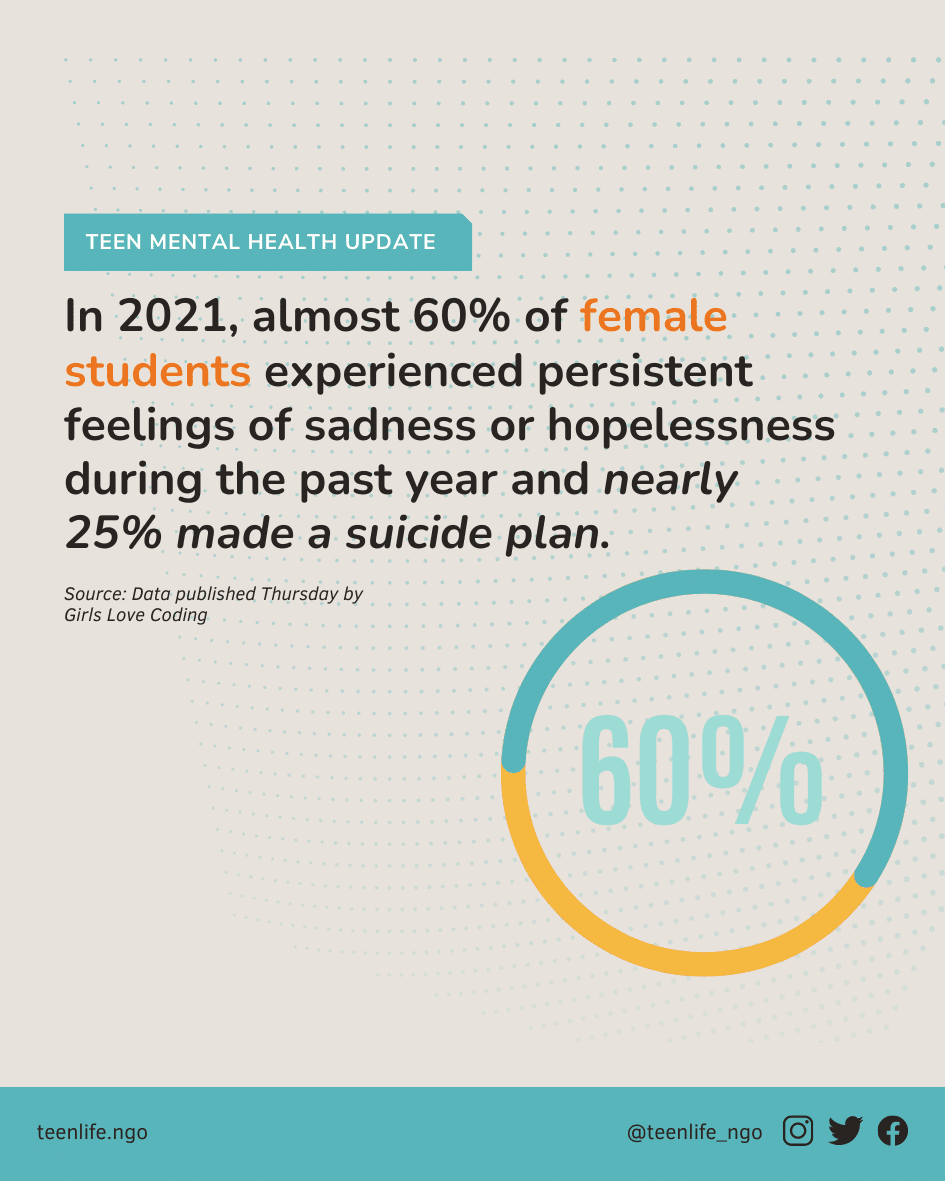
Every day, parents and school counselors and teachers see students dealing with depression. Recently, a highly publicized report by the CDC stated that, “In 2021, almost 60% of female students experienced persistent feelings of sadness or hopelessness during the past year and nearly 25% made a suicide plan.”

More than ever, it is vital that you talk with teens about depression and suicide. Remember, talking about it won’t give teenagers ideas, but it will let them know that you care and that you can handle the conversation if or when they need to it.

Fortunately, there are many resources out there to help us as parents, counselors, teachers, and friends know how to do that. One such resource is Dr. Michele Borba. She has interviewed hundreds of teens and held countless conversations with them about ways that adults can help or hurt.​


Here are Dr. Borba’s top tips for having this discussion with your teen

(Posted with permission from her blog.)

1. Review the facts first.

Chances are the teen suicide pact story will be discussed at school or amongst your child’s peers, so review the story before you talk. More often than not, the stories your child hears won’t be accurate and can fuel anxiety. That’s why you need to clarify the real facts.

2. Find the right time.

Plan to talk with your teen about suicide and depression. Just make sure it’s a relaxed, uninterrupted time. Ideally you want to have this chat during a part of the day when your child is most receptive to talking.

3. Begin with a simple question or direct statement.

A few ways to start the dialogue: “Have you heard the sad news about the girls who killed themselves?” or “What are your friends saying?” or “Let’s talk about what you just saw on the news.”Listen to your teen and follow his or her lead.

4. Be honest and direct, but careful.

Give the details your child needs to know. Withhold facts or details that are not in your child’s best interests. Be prepared for lots of questions — or none at all. Clear up any misunderstandings about suicide, depression or death that your child may have. If you don’t have an answer, just admit you don’t know and say you’ll get back with the answer. The key is to keep that conversation going!

5. Describe depression.

“Yes, it’s a sad story, but I want to talk to you about suicide and depression.” Your talking points might include stressing that depression is not a phase, nor something kids can shrug off by themselves. Depression is a serious disease that needs a medical doctor.

To help your child see the difference between normal sadness and depression, apply the word “too” to your talk: The sadness is too deep. The depression lasts too long or happens too oftenIt interferes with too many other areas of your life such as your home, school, friends. The best news is, when diagnosed early and properly treated, kids almost always feel better.

Stress to your teen
“If you ever feel so sad or scared or helpless, please come and tell me so we can work together to make things right. Depression is treatable.”

6. Be prepared to be unprepared.

There is no way of predicting how your teen will respond to such a tough subject. The key is to answer any or all questions as they emerge. Let your teen know you are always available to listen or help.

7. Talk about cyber-bullying.

Emphasize that you recognize bullying and cyberbullying is a growing and serious problem. Ask how often bullying is happening at school, what the school’s bullying policy is and how safe your child and her friends feel. Use the example from this tragic story to stress that cyber-bullying is painful and that intentionally causing another child pain is never acceptable.

Use your chat as the opportunity to review your rules about the Internet and cell phone. Talk about the dangers posting anything that is hurtful — that there are no take backs and that hurtful actions can have horrific consequences.

Also stress that if your child is ever cyber-bullied to please come and tell you. Beware that tweens or teens say they fear telling parents because they do not want computer privileges removed. Be careful so you do not sound too punitive. Instead, stress that the child should print out the evidence and you will contact the server to change the passwords. Other blogs cover cyber-safety issues, how to monitor your child’s online history and signs your child is cyber-bullied.

8. Teach “Tattling” vs “Reporting.”

When it comes to preventing tragedies, kids may well be the best metal detectors: the majority of adolescents who commit homicide or suicide share their intentions with a peer. Impress on your teen the importance of telling an adult “legitimate concerns” with the guarantee that their report will be taken seriously. Telling an adult that someone is hurt or could get in trouble is not the same as tattling: It’s acting responsibly. Explain that reporting is not to get a friend in trouble but to help them stay out of trouble or harm.

9. Discuss “safety nets.”

Identify adults your child feels safe with, other people they can talk to when issues arise. Stress that people are always available to help your children or their friends with any kind of trouble. Mention the 24-hour confidential USA National Suicide hotline: 800-784-2433 or 800-273-8255, with trained people who can listen and help kids any hour of any day.

Above all, emphasize:
No problem is so great that it can’t be solved!

Depression is treatable. We need to make sure our children know they can come and talk to us about anything.

Keep reading for four ways to help teens with mental health issues, like depression or suicidal thoughts.

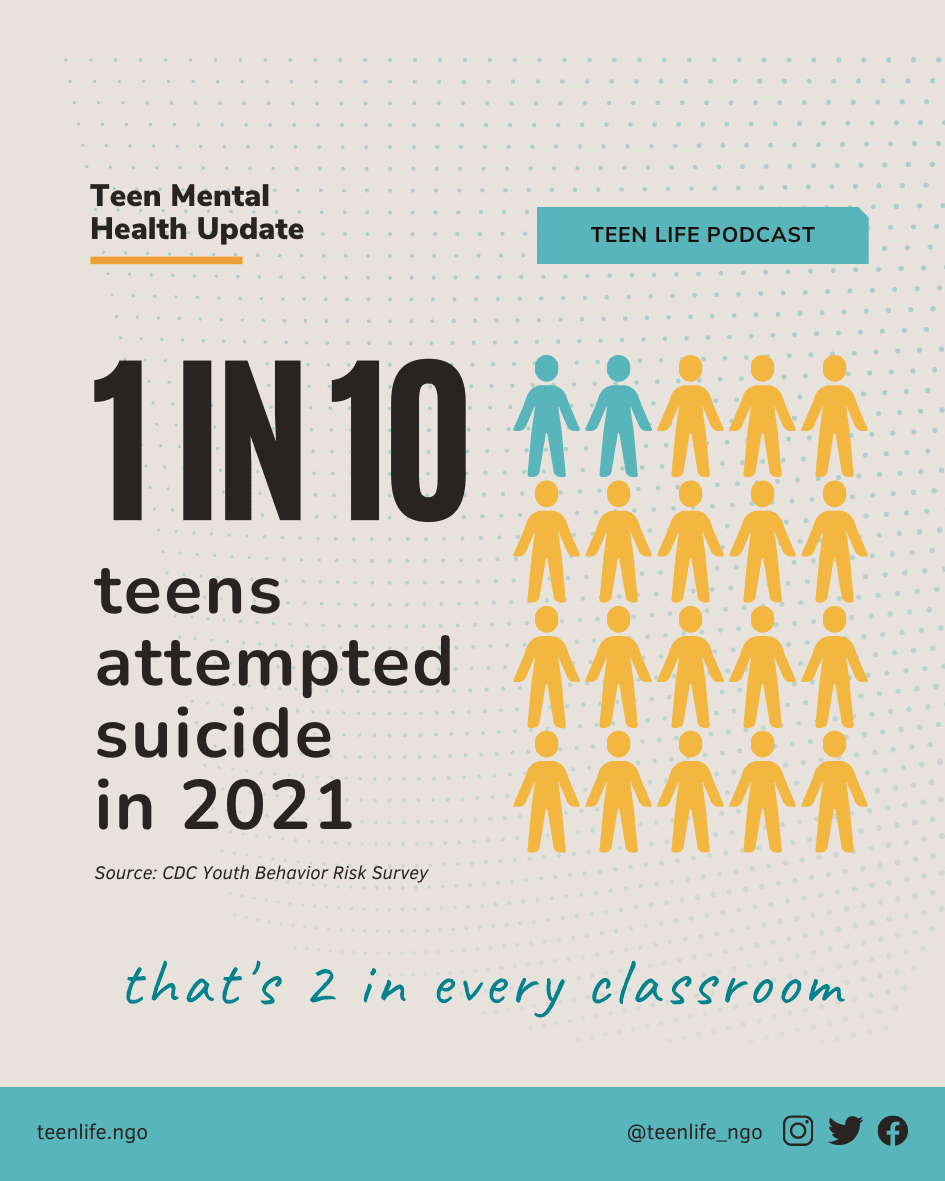
1 in 10 teens attempted suicide in 2021. That's 2 in every classroom.
In 2021, almost 60% of female students experienced persistent feelings of sadness or hopelessness during the past year and nearly 25% made a suicide plan.

Four ways to help teens suffering from depression

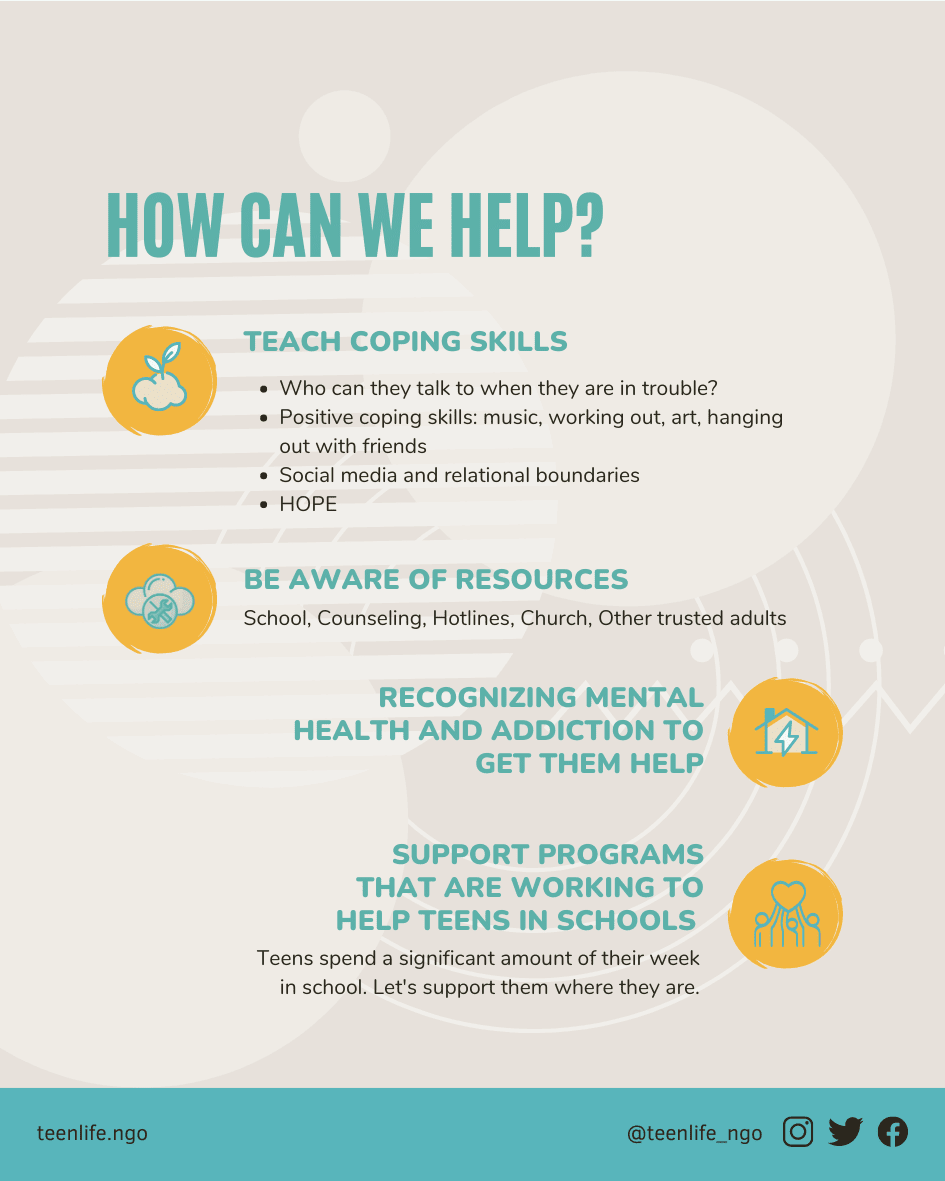
Teach coping skills
  • Who can they talk to when they are in trouble?
  • Positive coping skills: music, working out, art, hanging out with friends
  • Social media and relational boundaries
  • HOPE
Be aware of resources
  • School
  • Counseling
  • Hotlines
  • Church
  • Other trusted adults
Recognize the signs of mental health issues and addiction so you can get them help when they need it

Learn more about the difference between a moody teenager and depression here and here.

Also take a look at these resources:

Support programs that are working to help teens in schools

Teens spend a significant amount of their week in school. Let’s support them where they are. Learn more about how Teen Life facilitates on-campus Support Groups!

More Resources You Might Like

Title Image: Depression & Lemon8
Teen Mental Health Update
The CDC recommends that schools take action to educate teens on improving their mental health. Support Groups are a great solution!

Ep. 120: Diverse Families: Special Needs

Ep. 120: Diverse Families: Special Needs

 Listen & Subscribe

YouTube

How can we support families with special needs?

Join Chris and Tobin in a special conversation on how to support families with special needs. As part of the Diverse Families series, they are joined by Donna Crose, Tobin’s mom, and mother of a daughter with Down syndrome.

Donna shares the challenges of discovering a diagnosis like Down syndrome and the challenges of raising teenagers while caring for a sibling with special needs. Donna and Tobin also offer insight into some of the challenges that teens with special needs face and how to support them as they grow into adulthood.

Listen to the end for ways to support parents and siblings of kids with special needs, too.

In this episode, we mentioned or used the following resources:

Have a question?

If you have a question about something you heard or just want to give us some feedback, please leave us a comment below.  We would love to hear from you!

About Us

Chris Robey
Chris Robey

Former CEO

Donna Crose

Donna Crose

Special Guest

More Resources You Might Like
What is it like to be a foster family?
Ep. 119 Diverse Families- Multi-Cultural/Multiracial Families
Happy multi-ethnic family at the beach smiling at the camera

Ep. 119: Diverse Families- Multi-cultural/Multiracial Families

Ep. 119: Diverse Families- Multi-cultural/Multiracial Families

 Listen & Subscribe

YouTube

How can we support multiracial and multi-cultural families?

Chris Robey interviews Tquan and Leahanna Moore about their experience as a multiracial/multi-cultural family.

They discuss what it means to be multi-cultural and how they’ve approached blending cultures in their own home. You’ll also hear about their kids’ experience being mixed race.

Listen for talking points on:

  • the importance of acknowledging the cultures within a family and how to ensure a healthy family identity
  • how to approach peer acceptance with kids
  • discrimination
  • assumptions
  • how to best support kids from multiracial or multi-cultural backgrounds

In this episode, we mentioned or used the following resources:

Have a question?

If you have a question about something you heard or just want to give us some feedback, please leave us a comment below.  We would love to hear from you!

About Us

Chris Robey
Chris Robey

Former CEO

Tquan and Leanne Moore

Tquan and Leanne Moore

Special Guests

More Resources You Might Like

What is it like to be a foster family?
Creating a family bucket list
TL Selects: Race with Robert Purvey