Teen Mental Health Update 2026
What the Latest Research Says About Teen Mental Health and Why It Matters
From finals pressure to fear of the future — understanding what’s really happening in the minds of today’s teenagers.
Mental health among teenagers isn’t just a trending topic: it’s a measurable, documented crisis. And May, Mental Health Awareness Month, is exactly the right moment to look honestly at what the research tells us.
Adolescence has always been turbulent. But something has shifted. The data now shows that today’s teenagers are navigating a uniquely high-pressure landscape — one that combines ancient emotional struggles with entirely new stressors no previous generation ever faced.
The Numbers We Can’t Ignore
The statistics on teen mental health paint a sobering picture. Understanding the scale of the issue is the first step toward addressing it.
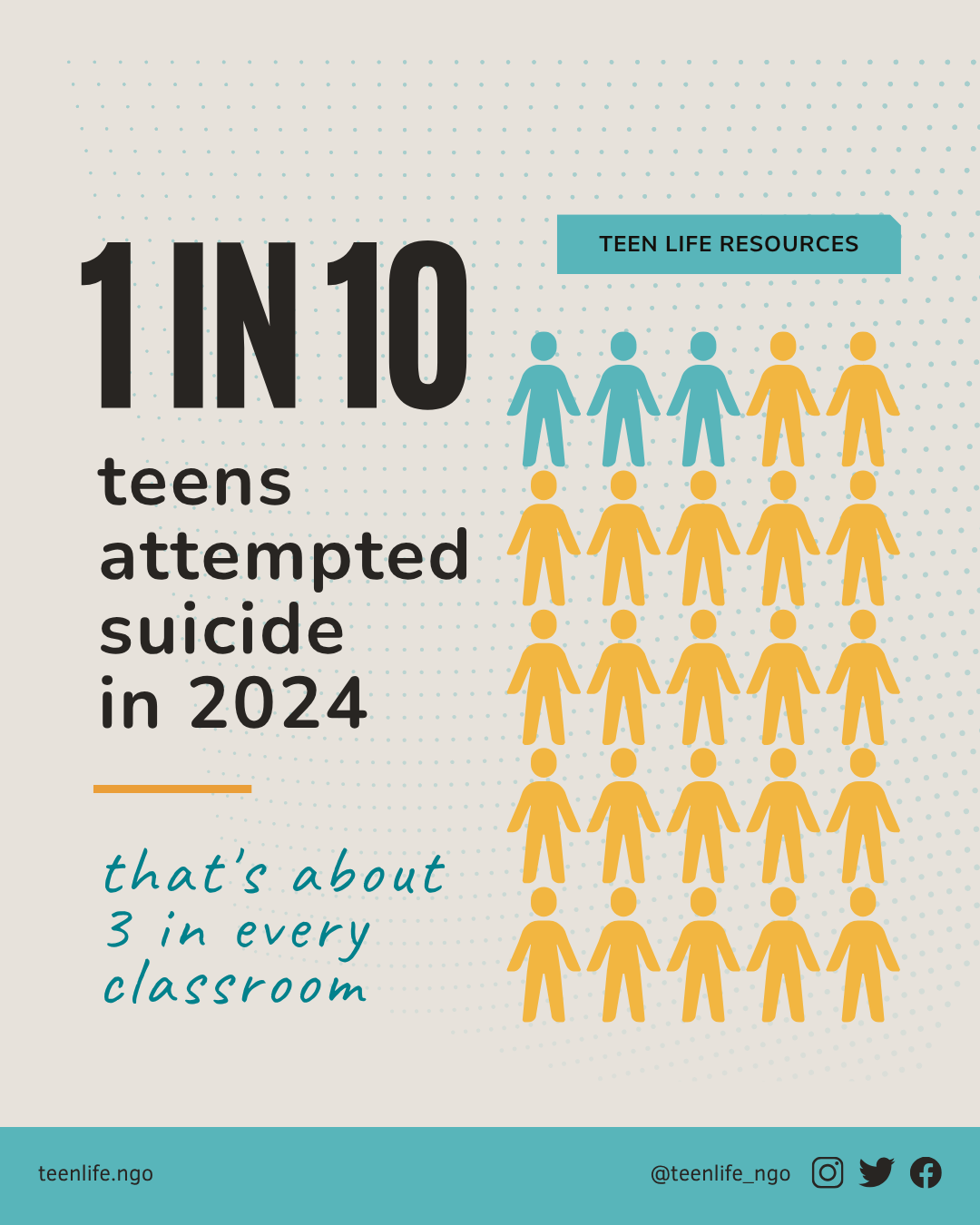
- 1 in 5 U.S. teens experiences a serious mental health condition each year;
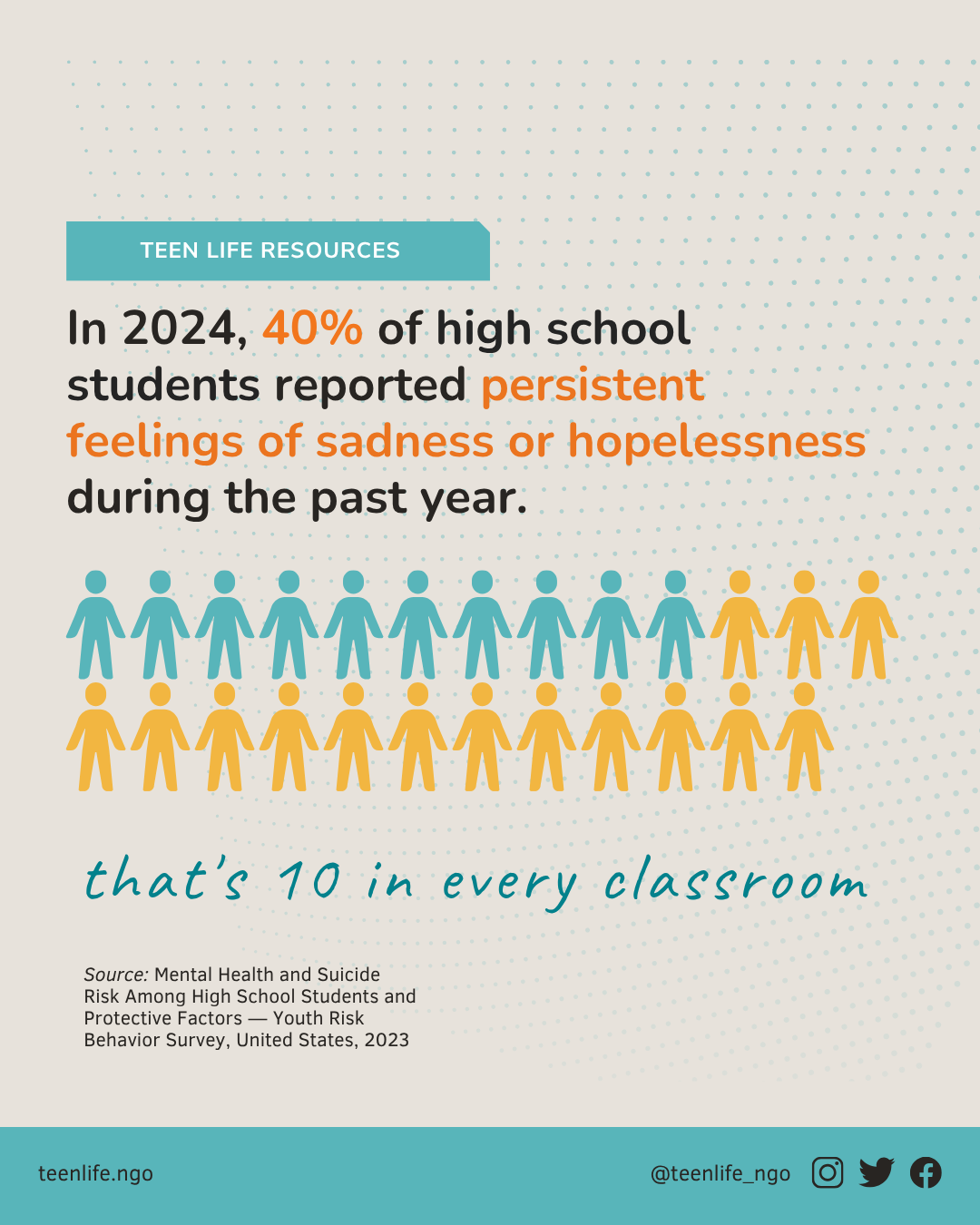
- 40% of high schoolers report persistent feelings of hopelessness;
- 60% of teens with depression do not receive any professional treatment;
- 3× increase in teen anxiety disorders over the past two decades.
These aren’t abstract numbers. They represent real teenagers in classrooms, in families, in communities — many of them silently struggling while trying to keep up with an overwhelming set of expectations.
What’s Driving the Pressure?
Researchers have identified a constellation of stressors that are particularly intense for today’s adolescents. Many peak at the end of the school year, making spring one of the most mentally taxing seasons of a teenager’s life.
- Academic performance and finals:
End-of-year exams compress months of learning into a few high-stakes days. Studies show cortisol levels in teens spike significantly during finals periods — comparable to levels seen in adults under major work stress. - College and future uncertainty:
The pressure to have a clear life plan at 17 or 18 is immense. Research links college application anxiety to significant increases in depression and generalized anxiety disorder in high school juniors and seniors. - Social media and comparison culture:
Teens are exposed to curated highlight reels of peers’ lives 24/7. A landmark 2023 study found that daily social media use of more than 3 hours was associated with a doubled risk of depression and anxiety symptoms. - World events and eco-anxiety:
Today’s teens are acutely aware of global challenges — from climate change to geopolitical instability. Researchers have identified a specific form of climate-related anxiety now prevalent among teenagers worldwide.
The Brain Science Behind Teen Stress
Understanding why teens are particularly vulnerable requires a basic understanding of adolescent neuroscience. The teenage brain is, quite literally, under construction.
The prefrontal cortex — the part of the brain responsible for emotional regulation, impulse control, and long-term planning — isn’t fully developed until the mid-20s. This means teenagers are processing intense emotions with neurological equipment that isn’t yet complete.
At the same time, the brain’s emotional center (the amygdala) is highly active during adolescence. This combination creates a period of heightened emotional reactivity and vulnerability to stress — especially the performance-based, socially loaded stress that comes with end-of-year school pressures.
Sleep Deprivation as a Hidden Crisis
Research consistently shows that most teens are significantly sleep-deprived. The American Academy of Pediatrics recommends 8–10 hours of sleep for teenagers — yet studies show the average teen gets around 6.5. During finals season, this often drops further.
This matters immensely because sleep deprivation doesn’t just cause tiredness.
In teenagers, it’s directly linked to increased rates of anxiety, depression, suicidal ideation, and impaired emotional processing. Poor sleep and poor mental health feed each other in a dangerous cycle.
The Gender Gap in Teen Mental Health
The research reveals stark disparities across gender lines. Adolescent girls are experiencing particularly sharp increases in depression, anxiety, and self-harm rates. Between 2009 and 2021, emergency room visits for self-harm among teen girls increased by more than 150%.
“We are watching a generation of young women emerge into adulthood under levels of psychological pressure that are genuinely unprecedented. The research is unambiguous — this is a public health emergency.”
Teen boys, while showing lower rates of internalized conditions like depression, are experiencing rising rates of behavioral issues, social isolation, and are significantly less likely to seek help. The stigma around male mental health remains one of the largest barriers to treatment.
What makes this (school) year-end period particularly risky?
Spring represents a perfect storm for teen mental health. Finals arrive simultaneously with: College decision deadlines, athletic season endings, friend group transitions, prom and social events, sleep disruption from longer days, and the looming reality of summer, which for many teens means losing the structure, social connection, and sense of purpose that school provides.
Transitions, even positive ones, are inherently destabilizing.
Why it matters and what we need to change
The research is clear: untreated adolescent mental health conditions don’t simply resolve with time. They follow young people into adulthood, shaping their relationships, careers, and overall well-being for decades. Early intervention changes outcomes dramatically.
What does the evidence support?
School-based mental health programs
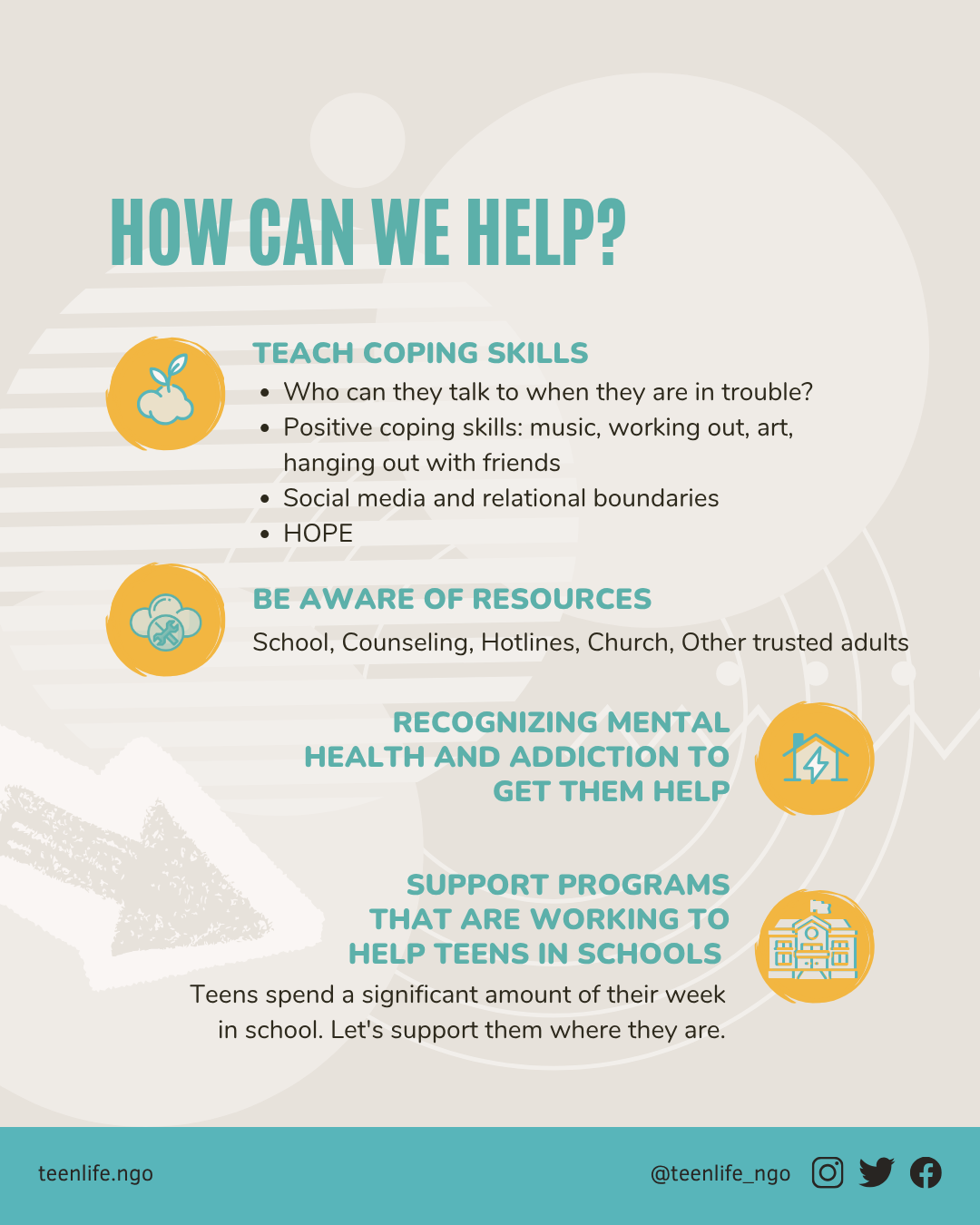
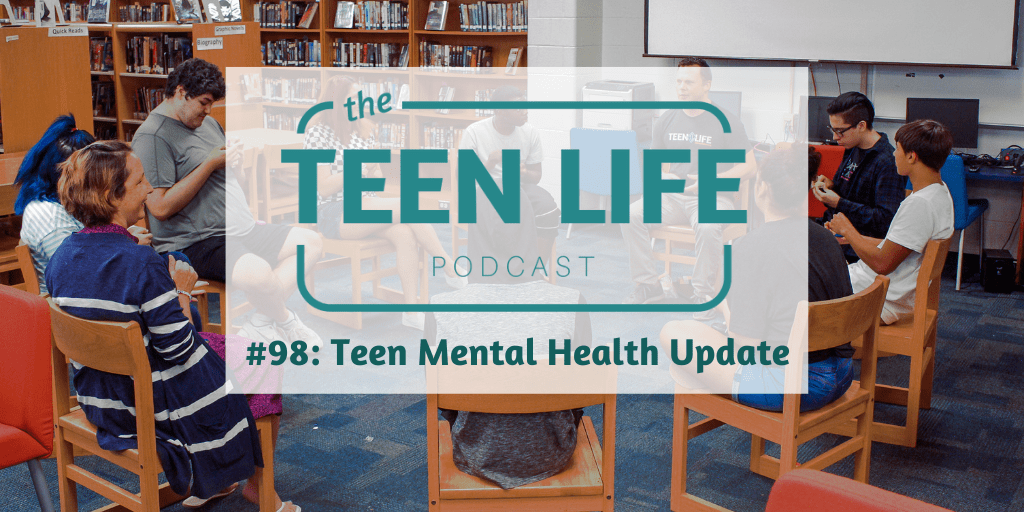
Studies show that embedding counselors and mindfulness programs in schools reduces anxiety and improves academic outcomes — particularly for low-income students with limited access to outside support. We’ve seen the results first-hand with Teen Life Support Groups!
Open family communication
Research consistently finds that teens who feel able to talk to at least one trusted adult are significantly more resilient. The relationship doesn’t need to be perfect — it needs to be safe.
Later school start times
Districts that have pushed start times to 8:30 AM or later have seen measurable reductions in teen depression, accidents, and absenteeism. The American Academy of Pediatrics considers this one of the most evidence-backed policy changes available.
Teen mental health is not a niche concern or a parenting trend. It is a measurable crisis with documented causes and evidence-based solutions. This Mental Health Awareness Month, the most meaningful thing we can do is take the research seriously — and act on it.
Supporting Teens Through Specific Pressures
Finals and academic stress
Help teens build structured, realistic study plans rather than marathon cramming sessions. Encourage breaks. Remind them that one exam — or one semester — does not define their future. If anxiety is impairing their ability to function academically, that’s a signal to seek support, not push harder.
College and future uncertainty
One of the cruelest pressures on today’s teens is the expectation that they have their life figured out at 17. Be honest with them: most adults changed direction multiple times. A college decision — or even a gap year — is not a final verdict on a life.
When a peer is struggling
Teens often tell friends before they tell adults. If your teenager comes to you about a friend who is struggling, take it seriously. Help them understand they don’t have to carry it alone — and that telling a trusted adult is not betrayal. It’s love.
The teenagers in your life don’t need you to be perfect. They need to know that when things get hard, when finals feel impossible, and the future feels terrifying, there is someone who will not look away. Be that person. It is enough.

Nino Elliott
Executive Director
Sources Used/Cited
1 Substance Abuse and Mental Health Services Administration (SAMHSA). 2023 National Survey on Drug Use and Health (NSDUH). SAMHSA data found that in 2023, 18% of adolescents aged 12–17 had a past-year major depressive episode, 12% had serious thoughts of suicide, and 3% attempted suicide in the past year. https://www.psychiatry.org/news-room/apa-blogs/new-reports-examine-trends-in-youth-mental-health American Psychiatric Association
2 Annie E. Casey Foundation. Youth Mental Health Statistics in 2024 (2024). The 2023 CDC Youth Risk Behavior Survey found that 2 in 5 (40%) high schoolers report persistent feelings of sadness or hopelessness — a figure that is particularly high among girls (53%) and LGBTQ+ youth (65%), and represents a 10-percentage-point spike from 30% in 2013. https://www.aecf.org/blog/youth-mental-health-statistics The Annie E. Casey Foundation
3 Sappenfield O, Alberto C, Minnaert J, et al. Adolescent Mental and Behavioral Health, 2023. National Survey of Children’s Health Data Briefs. HRSA, October 2024. Between 2016 and 2023, the prevalence of diagnosed mental or behavioral health conditions among adolescents rose 35%, with diagnosed anxiety increasing 61% and depression 45% over that same period. https://www.ncbi.nlm.nih.gov/books/NBK608531/ NCBI
4 CDC. Youth Risk Behavior Survey: Data Summary and Trends Report, 2013–2023 (2024). https://www.cdc.gov/media/releases/2024/p0806-youth-mental-health.html
5 Riehm KE, et al. Associations between time spent using social media and internalizing and externalizing problems among US youth. JAMA Psychiatry, 2019. Cited in: U.S. Surgeon General’s Advisory — Social Media and Youth Mental Health (2023). Children and adolescents who spend more than 3 hours a day on social media face double the risk of mental health problems, including symptoms of depression and anxiety. https://www.hhs.gov/surgeongeneral/reports-and-publications/youth-mental-health/social-media/index.html U.S. Department of Health and Human Services
6 Casey BJ, Jones RM, Hare TA. The Adolescent Brain. PMC/NIH, 2008. Brain imaging and animal studies show heightened responsiveness to emotional and incentive-based stimuli during adolescence, at a time when impulse control systems in the prefrontal cortex are still relatively immature. https://pmc.ncbi.nlm.nih.gov/articles/PMC2475802/ PubMed Central
7 Hartley CA, Somerville LH. Neurocognitive bases of emotion regulation development in adolescence. ScienceDirect, 2015. Brain regions involved in affect generation and regulation — including the limbic system and prefrontal cortex — undergo protracted structural and functional development during adolescence, a period of increasing vulnerability to depression and anxiety. https://www.sciencedirect.com/science/article/pii/S1878929315000717 ScienceDirect
8 American Academy of Pediatrics (AAP). School Start Times for Adolescents. Pediatrics, 2014. A substantial body of research has demonstrated that delaying school start times is an effective countermeasure to chronic sleep loss and offers wide-ranging benefits to students’ physical and mental health, safety, and academic achievement. https://publications.aap.org/pediatrics/article/134/3/642/74175/School-Start-Times-for-Adolescents American Academy of Pediatrics
9 Mercado MC, Holland K, Leemis RW, et al. Trends in Emergency Department Visits for Nonfatal Self-Inflicted Injuries Among Youth Aged 10–24 Years in the United States, 2001–2015. JAMA, 2017. Cited in: National Center for Health Research. A 2017 study of 66 U.S. hospitals found that ER admissions for self-injury among girls began rising in 2009, with the largest increase — nearly 19% — occurring among girls ages 10–14. https://www.center4research.org/self-injury-increasing-teenage-girls-can-parents/ National Center for Health Research
10 American Psychological Association. Schools shift as evidence mounts that later start times improve teens’ learning and well-being (2024). Research indicates that later school start times correlate with more sleep, better academic performance, and broad mental and physical health benefits — and more than 500 school districts have moved start times later in response to the evidence. https://www.apa.org/topics/children/school-start-times APA
More Resources You Might Like

Karlie Duke | Communications Director
Karlie has always had a heart for teenagers. Through her role at Teen Life, she loves to showcase the amazing stories coming out of Support Groups, but she is especially passionate about helping adults and teenagers find connection. Karlie has a BS in Communications with a minor in Family Studies from Abilene Christian University.
Tobin Hodges | Program Director
Tobin’s entire career has been centered around students and teens from all walks of life. He has a passion for helping teens be their best selves. As Program Director, he loves working directly with school staff and students through Teen Life Support Groups. Tobin has a Bachelor’s Degree in Music from Texas Tech University.
Caleb Hatchett | Podcast Co-Host
Caleb loves helping teenagers take ownership of their faith and relationships. He graduated from Abilene Christian University with a degree in Youth and Family Ministry and is currently Student Ministry Director at Jenks Church in Oklahoma.