Ep. 10: Searching for Identity & Vaping

Ep. 10: Searching for Identity & Vaping

 Listen & Subscribe

How do we help teens develop their identity?

Adolescence is hard work! One of the biggest reasons adolescence is so hard is because as teens we explore who we are and develop our identity.

Find out more on this week’s episode as Chris and Karlie discuss identity. They’ll also share the important facts on vaping, a health hazard that 1 in 5 teens is doing. Plus, don’t miss the breakdown on fun, family-friendly games that bring everyone together.

Teen Life Summit sessions are no longer available.

Have a question?

If you have a question about something you heard or just want to give us some feedback, please leave us a comment below.  We would love to hear from you!

Karlie Duke
Karlie Duke

Communications Director

Chris Robey
Chris Robey

Former CEO

The Trauma of No School

The Trauma of No School

It’s been 8 weeks. Eight weeks since life felt “normal.” Eight weeks since my kids went to school, since my husband and I have been out for a date, since I worked in the same location as my co-workers. Eight weeks filled with fun memories with my husband and kids. Eight weeks filled with hard decisions, fighting siblings, and days spent trying to spin all of the plates. Eight weeks filled with joy and guilt and frustration all mixed together. While eight weeks seems so long, in many ways, I also know that this too will pass. That the hard days will give way to better days.

However, for many students, the last eight weeks have looked very different than for my family and me. Truthfully, traumatic might be a better word to describe it.

I read an NPR article this past week entitled Closed Schools Are Creating More Trauma For Students. This article put into words what so many of us at Teen Life and so many of our school partners are thinking and saying. Closing schools is traumatic for so many of the students that we as facilitators at Teen Life interact with each week. For many of our students, school is one of the few places they feel safe and seen. One of the few places where there is a caring adult who is willing to help when life seems overwhelming. A place where someone is available to help process feelings in contrast to a place where students can be easily triggered.

Between closed schools, social isolation, food scarcity and parental unemployment, the coronavirus pandemic has so destabilized kids’ support systems that the result, counselors say, is genuinely traumatic.

Cory Turner

Closed Schools Are Creating More Trauma For Students (NPR)

Schools provide much needed “check-ins” for students of all ages. Cook Children’s recently reported that they had seen 6 cases of severe child abuse in one week as the stay at home order began, when they typically see that many cases over the span of a month.

So, with all of this potential trauma, what do we do now? Here are a few ideas.

  1. Maintain some level of human connection – Zoom calls, phone calls, FaceTime, MarcoPolo – whatever works for you. This applies to adults and students alike.
  2. Check in with the students you know. Text, call, interact on socials. If you are a parent, take a few extra minutes to talk about what concerns your child has and what they wish for or miss the most.
  3. Normalize the feelings. It’s normal and appropriate to be frustrated or sad or mad. Or to be all of those at once. Help the students you live with and interact with remember that as Franciene Sabens states in the NPR article: “It’s OK to not be OK. I mean, most of the world is not OK right now.”
  4. Lastly, start planning for how to transition back to school, even when that seems an eternity away. Students will still be figuring out what happens next and how has life changed after many months away from “normal.”

“School leaders should right now be planning for the future, asking how they can best support students when they come back to school, Laura Ross, [a middle school counselor in Lawrenceville, Ga] says, “making sure that we’re prepared to deal with some of those feelings that are going to increase — of anxiousness, of grief, of that disconnect that they had for so long.”

Cory Turner

Closed Schools Are Creating More Trauma For Students (NPR)

I cannot tell you if or when life will look like it did before COVID-19. However, we at Teen Life hope that you are able to continue to serve the students in your lives for the next 8 weeks, 8 months, or 8 years despite the trauma experienced and the inevitable challenges that lay ahead today and in the future.

Beth Nichols

Beth Nichols

Program Director

With her background in social work and experience as a mom of 4, Beth’s perspective is invaluable. She has had the opportunity in both her personal and professional life to encounter youth from a variety of situations. 

Average Teenage Behavior or Warning Sign?

Average Teenage Behavior or Warning Sign?

 Listen & Subscribe

YouTube

How do you know what is average teenage behavior or a red flag that should cause concern?

Adolescents are constantly changing and it is difficult to know when to ask questions and how to recognize warning signs. In this podcast episode, Chris and Karlie discuss symptoms of mental illness that also closely resemble typical teen development, like withdrawal, need for privacy, and change in interests.

Join the conversation on how we can encourage and talk to our teenagers about mental illness and signs of concerns. As a caring adult in the life of a teenager, you will find practical tips and questions to engage teenagers in a positive conversation about life changes. This is an episode you won’t want to miss as Chris and Karlie tackle a topic that so many young people face today.


Symptoms of mental illness can often appear similar to average teen development.
The Yellow Tulip Project

Resources on teen mental illness:

Have a question?

If you have a question about something you heard or just want to give us some feedback, please leave us a comment below.  We would love to hear from you!
Karlie Duke
Karlie Duke

Communications Director

Chris Robey
Chris Robey

Former CEO

More Resources You Might Like

Title Image: Depression & Lemon8
How to Change Negative Thoughts into Constructive Ones
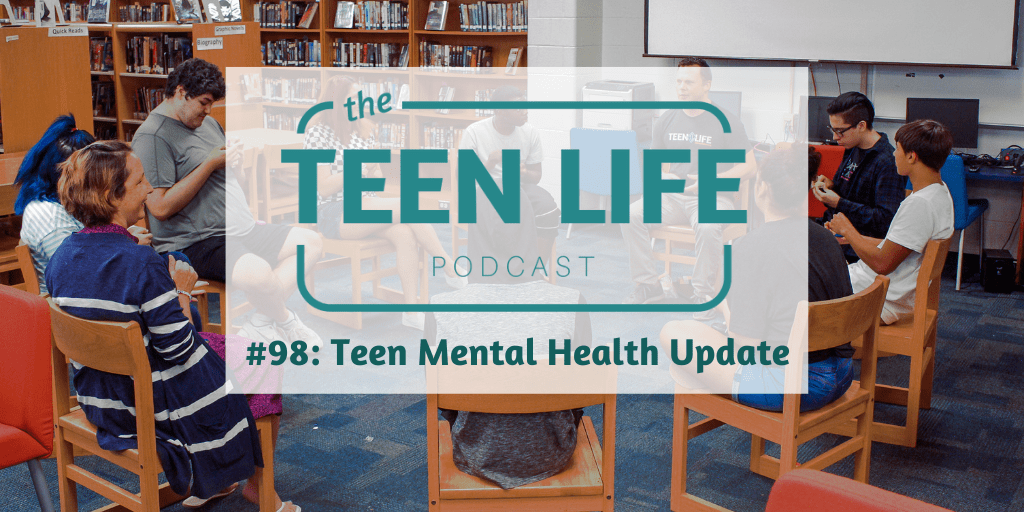
Teen Mental Health Update

5 Conversations to Have As School Starts

5 Conversations to Have As School Starts

It’s nearly time for back-to-school and I can hear the cheers and tears from the Teen Life office. Whether you are looking forward to getting back to a routine, wondering how your baby has grown into a high school senior, or are trying to figure out how your youth ministry is going to hold up against football season – you have a role to play in this upcoming school year!

Before teenagers start back at their middle or high schools, or the graduates leave home to start their college adventures, take time to have bold, encouraging conversations! You have an opportunity to help students set goals and think about where they want to be at the end of the school year.

By having healthy conversations (check out this blog post), this school year can get off to a great start from the very first day.

Here are some goals to help teenagers think about as they start school:

The Grades Conversation

Grades are important. They help you graduate high school and get college scholarships. They are a reflection of what you have learned and how hard you have worked at a particular subject.

However, grades don’t define your student or their worth. Students will put pressure on themselves about what kind of grades they should be making before saying a word. Instead of starting the school year with a lecture about responsibility, finishing homework before video games, or the consequences of poor test grades…

Ask your student these questions:

  • What do you want your grades to look like at the end of this school year?
  • If you improved your grades and school work from last year, what would that look like?
  • How can I help you succeed this school year?

If you allow them to set their own goals, they will take more ownership in their school work. Instead of working toward your expectations, they will be stepping up to the standards they set for themselves – what better lesson could you teach a teenager?

Help them set realistic goals and hold them accountable throughout the year with {friendly} reminders. Don’t expect your B student to make a 4.0 this school year, but encourage them to improve and continue to grow!

Also, join these conversations on teens and grades:

The Friends Conversation

As you know, friends and peers have a huge influence during adolescence. They can impact grades, decisions, activities, and their attitude. While they are old enough to choose their friends, it is okay for you to offer adult guidance in their choices.

When it comes to friendships they have at school, start a conversation by asking these questions:

  • What relationship last year provided the most encouragement?
  • How do your friendships impact your performance at school or in extracurriculars?
  • Are there any relationships that provided drama or stress? What can you do to make that relationship healthier?

They probably aren’t going to react well if you ban them from hanging out with their best friend. But maybe you can open up the door for healthy conversation if you ask them to share first.

Teenagers are smarter than we often give them credit for!

If they are in an unhealthy relationship, let them talk through what that looks like and what they could do to either get rid of the friendship or set up healthier boundaries.

The Extracurriculars Conversation

It seems like today’s teenagers are busier than ever. Not only are they expected to go to school during the week and church on the weekends, but they also have to be involved in multiple extracurriculars, join school clubs, and complete crazy amounts of service hours.

That is what colleges expect, right?

Extracurriculars are good and character-building. However, students need to set goals, not only for bettering themselves through these activities, but also for leaving margin and rest despite their busy schedules. Especially if you are talking to a teenager who is involved in multiple sports, activities, or volunteer opportunities, encourage them to set healthy goals by asking these questions:

  • How many extracurriculars do you think you’ll have time for with school and other responsibilities?
  • How can you improve and use these experiences to help you in the future?
  • What can you do to make time for rest, friends, and fun?

Have them prioritize their activities. There may be some new opportunities that arise this year, but if it surpasses what they can handle, it is not worth taking it on. They are teenagers, but they are still allowed to have fun! Please don’t allow your teenager to live like an adult. Help them take advantage of the freedom and fun that comes with adolescence. If they feel like they need to give up an activity to better balance their time, help them make the decision that is best for them (even if it means giving up that sport you love).


The Physical, Mental, and Spiritual Health Conversation

Coming off the last conversation, it is so important for teenagers to take care of themselves! While culture is talking more about mental health, we cannot ignore it in our homes, churches, or schools!

Please make sure you are having these conversations with your teen. Are they aware of signs of depression or suicide in themselves or friends? Are they motivated to improve in any of these areas? This conversation could be touchy or emotional, and is really three conversations, but don’t shy away from it!

Start with these questions:

  • Do you feel like you have someone you can talk to about health? (Especially about mental and spiritual health.) Who is that person?
  • What would you do if a friend came to you with a health concern?
  • What could you do this school year to improve in each of these areas? How could we help you accomplish your goals?

Be willing to ask your teen about the current state of their physical, mental, and spiritual health. Do they want to change anything? How can you help? Can you get them a gym membership or cook healthier meals? Could you help them seek the guidance of a counselor? Does one of their friends need a trusted adult to talk to? Can you start a family Bible Study? Consider what they need for themselves and from you.

You might also like these conversations on mental, spiritual, and physical health:

The Boundaries Converation

Teenagers are trying to find identity and values at this phase of life. As the adults in their lives, it is our job to guide and teach while also giving them a safe space to try and sometimes fail. Teens won’t be perfect – I wasn’t at that age and I definitely still make plenty of mistakes! However, we can help them set some boundaries in place to protect and direct while they gain the confidence and understanding they need to truly succeed.

Maybe boundaries look like setting a curfew, or a time restraint on social media or Netflix. Maybe they want to limit how often they hang out with a certain friend or which event they want to avoid. Let them start the conversation and try not to jump in at the beginning with what you think is best.

Here are a few questions to get this final conversation started:

  • What personal boundaries would help you succeed this school year?
  • How likely are you to say, “No!” when someone crosses your boundaries?
  • How do you think the boundaries we have set could be helpful? Are there any boundaries you have concerns about?

The beginning of school is a great time to talk about boundaries and expectations for the school year. Some rules will change over the years, and some will stay consistent. Some teenagers will even have intelligent boundaries that they want to set for themselves – give them that opportunity!

Conclusion

You have the power and the opportunity to help teenagers see their future and set goals to reach it.

Ask good questions, listen with empathy, and work together to set realistic goals that will allow them to not only enjoy but also take advantage of their teenage years.

These are great conversations to have at the beginning of school, but we also encourage you to revisit these topics – ask how they are doing with their goals and if anything has changed. This is just a starting place!!

Are you willing to have these conversations? Share what goals the teenagers you talk to set! How will you help hold them accountable?

Karlie Duke
Karlie Duke

Communications Director

The Red Line

The Red Line

In 1934 as part of the New Deal, the government created the Home Owner’s Loan Corporation (HOLC) and the Federal Housing Administration with the goal of preventing foreclosures through mortgage refinancing.  The Home Owner’s Loan Corporation (HOLC), a government sponsored lender, proceeded to draw maps of American cities to determine which areas were worthy of mortgage lending and which areas were too high-risk. The HOLC color coded communities into green, blue, yellow, and red areas. Each area came with a definition.

Green – “hot spots,” new, well planned sections of the city

Blue – completely developed areas – these areas were still good but not new

Yellow – areas in a transition period, characterized by age, lack of care

Red – “high-risk” areas predominately with residents of Color – labeled as areas with detrimental influences and poor maintenance– were considered undesirable areas


The term “redlining” was coined to explain this practice of denying loans and services based on a neighborhood’s demographic makeup. In 1968, the Fair Housing Act made these maps and practices officially illegal, but the long-term ramifications continue on 50 years later.

We, as parents, teachers, youth workers, or mentors have often grown up with “red lines” in our lives, especially those of us raised with a faith-based background. Red lines are topics, or even people, we aren’t sure we want to be involved with.

For example, ask those around you how sex education was handled in their home growing up. Based on those who I have asked, the answer was one of three things:

1. We just knew not to do it

2. We didn’t talk about it

3. In 5th grade health class.


A red line. An area too risky to walk into.

When we, as adults, walk on eggshells regarding certain topics, teens know. When we talk around topics, they pick up on it. Teens know walking on eggshells is a tool adults use to avoid the long-term ramifications of knowing the truth – to avoid the potential fallout associated with the truth. Teens know you aren’t willing to ask the hard questions and believe you aren’t willing to hear the true answers.


Here are a few topics that are commonly redlined by adults…

  1. Sex – You talk about sex, right? Talking about how bodies are changing and developing. Talking about respect for their body and for other’s bodies. Asking about impulse, self-control, and definitions of couples/partners. Asking if they are sexually active. Talking about consent and sexual assault.
  2. Suicide – When you suspect a child is struggling, are you direct? Asking, “Are you planning to kill yourself?” or “Are you planning to attempt suicide?” opens the door to keep people “safe for now” according to Living Works. Then ask follow-up questions such as, “Do you have a plan?” “When do you plan to kill yourself?” “Do you have access to ____ (whatever means needed to attempt suicide)?” “Have you attempted suicide before?”
  3. Drugs/Alcohol – Ask the direct question, “Have you been drinking?” or “Are you using drugs?” You can also ask, “What is your drug of choice?” or “How often do you use?” They might lie at first, but the ability to ask these questions opens the door for later conversations because they know you see them and you care.
  4. Mental Health Issues – Are you willing to ask about feelings of depression or anxiety? Are you willing to talk about their friends who may be struggling with these things? Ask youth if there is someone they are worried about.


What are the redlines in your past? How do they impact your interactions now? Who do you need to stop walking on eggshells around? What hard questions do you need to ask? What you choose today impacts the future.

**If you want to see these redlining maps or a picture of these ramifications, you can find more here.



Beth Nichols is Teen Life’s Program Manager. With her background in social work and experience as a mom of 4, her perspective is invaluable.